Pencil & Prompt · A public experiment
What Is the AI Loop Method?
The AI Loop Method: every week, an AI designs my drawing lesson. I follow it in colored pencil — a celebrity portrait, start to finish. Then the finished drawing goes back to the AI for a graded verdict: HIT or MISS. The next lesson targets exactly what the critique found.
Running publicly since May 2026 at Pencil & Prompt. Every verdict below happened on camera.
How it works
- LessonAn AI analyzes a reference photo and writes a step-by-step colored pencil lesson.
- DrawingA human (me) executes the lesson by hand. Every portrait takes hours, not prompts.
- VerdictThe finished drawing goes back to the AI. It rules on ONE named target set the week before: HIT or MISS. No scores, no flattery.
- LoopNext week's lesson is built from exactly what the critique found.
Current record: 7 graded portraits · since binary verdicts began (week 9): 3 rulings, 3 HITs (two carrying a catch).
Current target (week 12): restraint. The sculpting is won, so pull the orbital and jaw shadows back to mid-depth — lighter than instinct — and match the reference's actual softness instead of overshooting it. Smooth the forehead highlights so they read as light, not scratches.
The Fix List — every portrait, every verdict
Weeks 1–4 were pre-method groundwork. The loop record starts at week 5, newest first. Binary HIT/MISS verdicts were formalized in week 9. Click any portrait to see it full size.
The record at a glance
| Week | Subject | Target set by the previous critique | Verdict | What surfaced next |
|---|
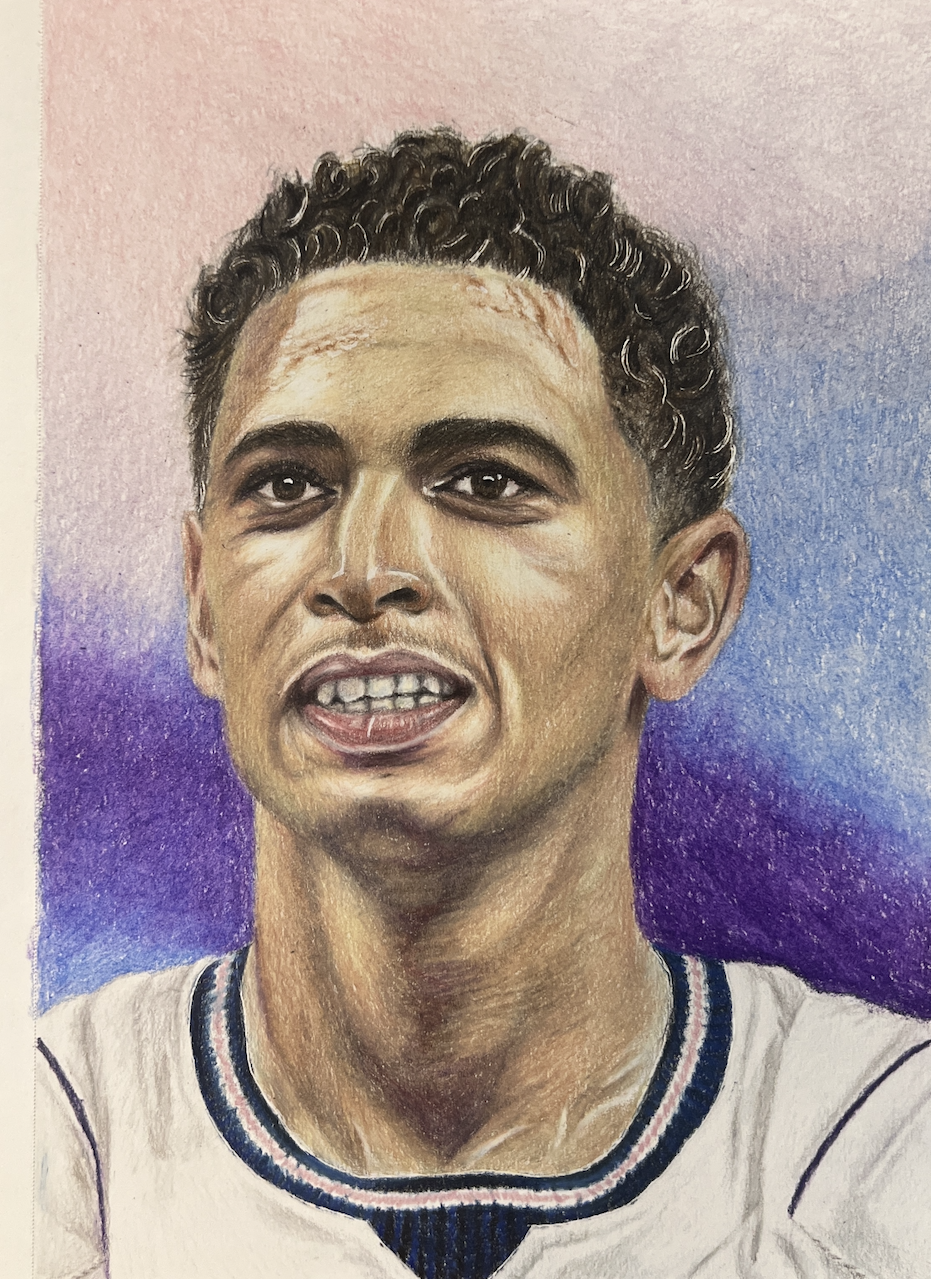
| 11 | Jude Bellingham | Turn the flat face sculpted — peak highlights + core shadows | HIT — with one catch | Orbital shadows overshot into hollow; highlights read scratchy |
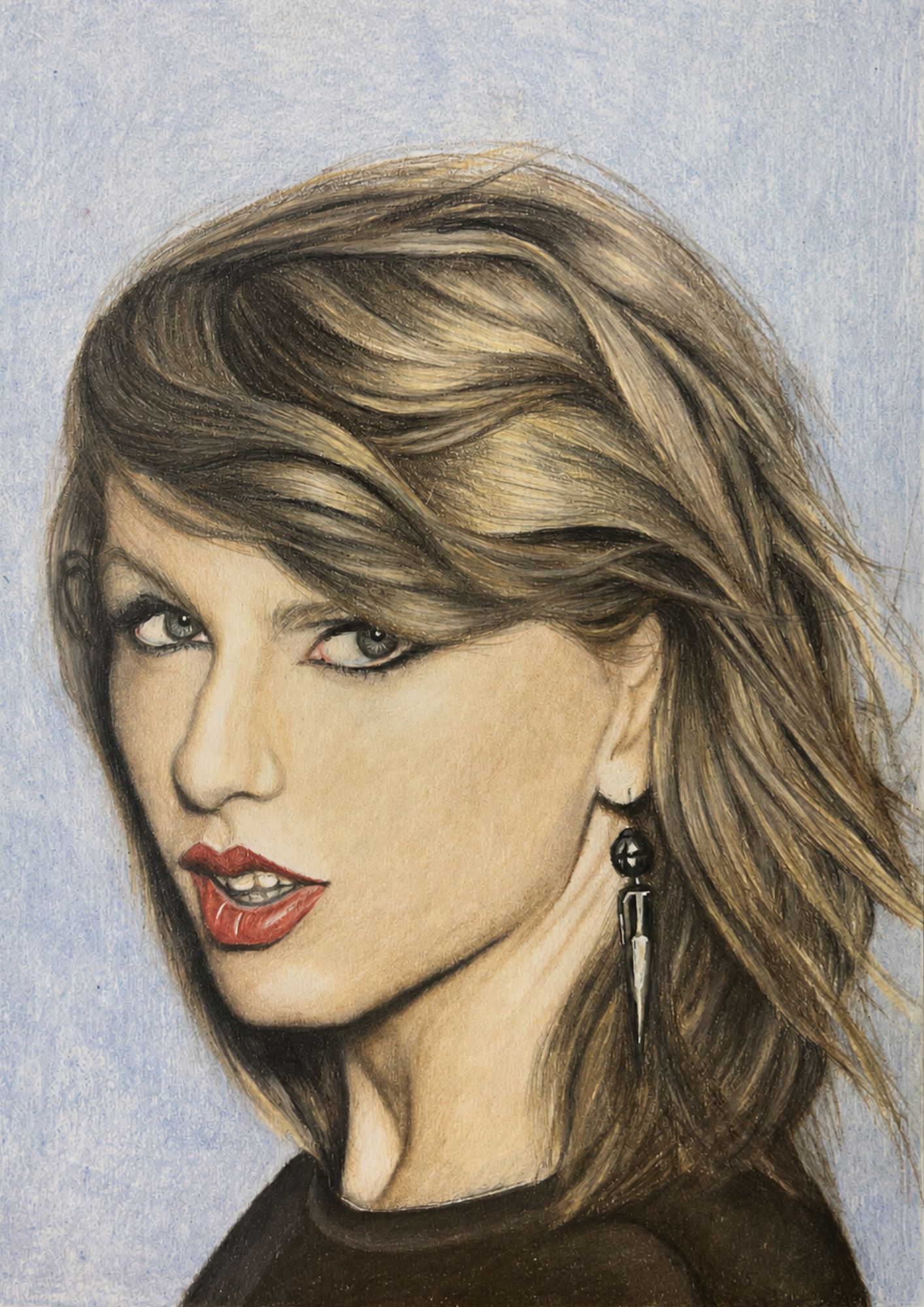
| 10 | Taylor Swift | Warm, controlled mid-value shadow + warm lip base | HIT | Face reads flat — no true peak highlight |
| 9 | Lamine Yamal | Turn the away-side plane of the face | HIT — with one catch | Plane turned, but went grey and heavy doing it |
| 8 | Cristiano Ronaldo | Turn the shadow side as convincingly as the lit side | Partial — pre-verdict era | Patchy skin, three weeks running |
| 7 | Lionel Messi | Warm-but-controlled darks + beard density gradient | Two threads landed — pre-verdict era | Shadow side flattening |
| 6 | Jalen Brunson | Cool the darks + unify the skin | Partial — pre-verdict era | Overcorrected straight into grey |
| 5 | Kylian Mbappé | Baseline — the record starts here | Baseline | Shadows too heavy · skin patchy · stubble a flat mass |
The threads — what took more than one week to fix
Single verdicts are the easy part. The useful record is what happens when the same flaw survives several corrections. Three threads so far:
- Open · 5 weeks Overshooting a shadow note. Weeks 5, 6, 8, 9, 11 — every time the AI names a shadow, the correction goes past the target. Too heavy in week 5, overcorrected to grey in week 6, heavy orbitals in week 8, ashy in week 9, hollow eye sockets in week 11. This is the longest-running flaw on the record and it has never been about skill; it is about stopping in the middle. Week 12 is aimed squarely at it.
- Closed · 4 weeks Patchy skin. Flagged in week 5, still there in weeks 6, 7 and 8, ruled closed in week 10 — the most unified skin of the series. The fix that finally worked was building each colour in thin even passes across the whole zone before any local deepening, rather than finishing one area at a time.
- Closed · 4 weeks Flat, unsculpted faces. Flagged in weeks 6, 7 and 10, ruled a HIT in week 11. What closed it was not more shadow — it was pushing the lit planes to a true peak highlight with a hard value jump.
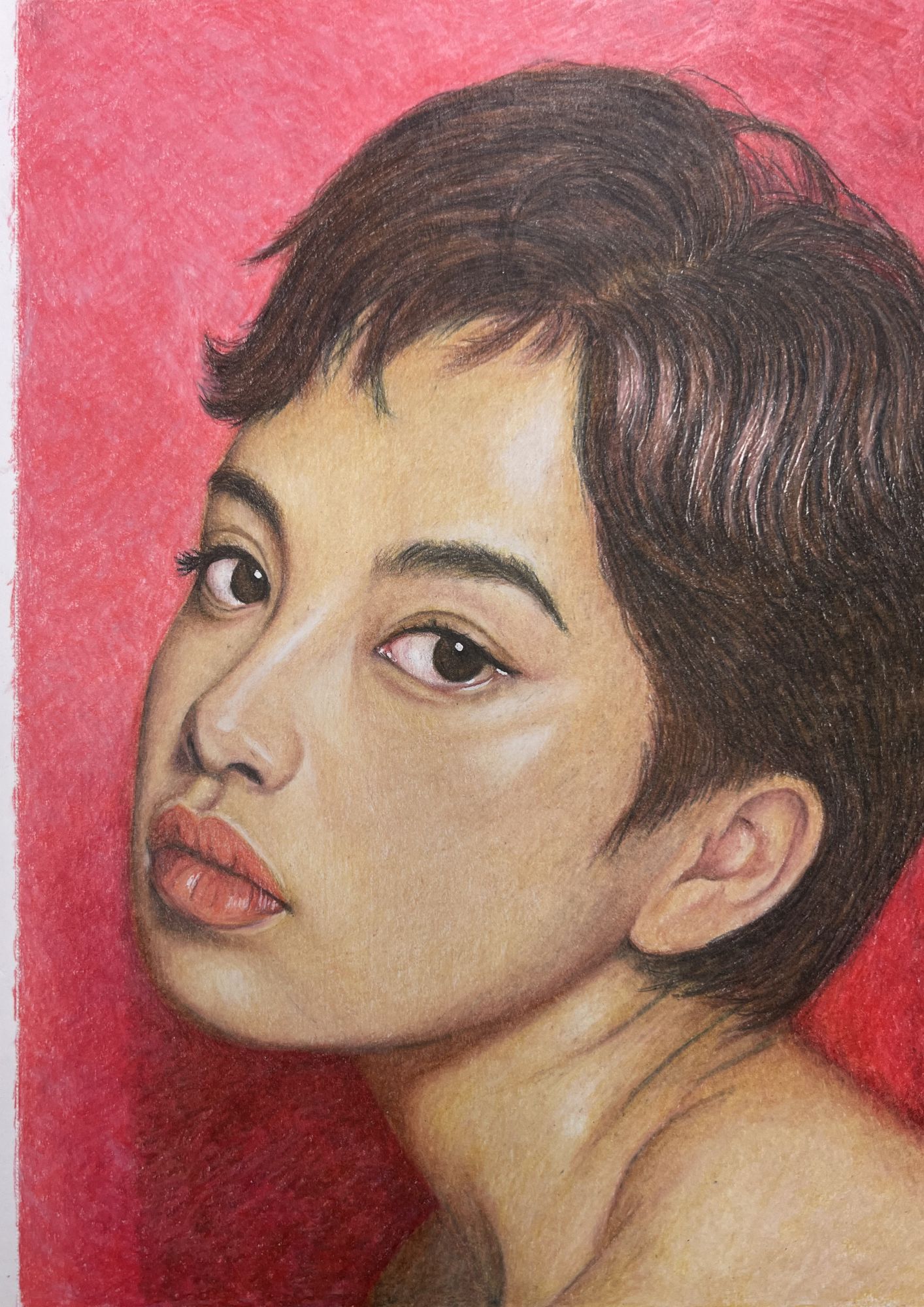
Week 11Jude BellinghamHIT — with one catch
Graded on: turning the flat face sculpted — true peak highlights and real core shadows.
The best form modelling of the series: the face finally reads lit and three-dimensional, and the shadows stayed warm this time, so week 9's grey lesson held. The catch is the oldest habit on this page — told to add core shadow, I drove the eye sockets past the reference into hollow. Five weeks now of overshooting the moment a shadow gets named.
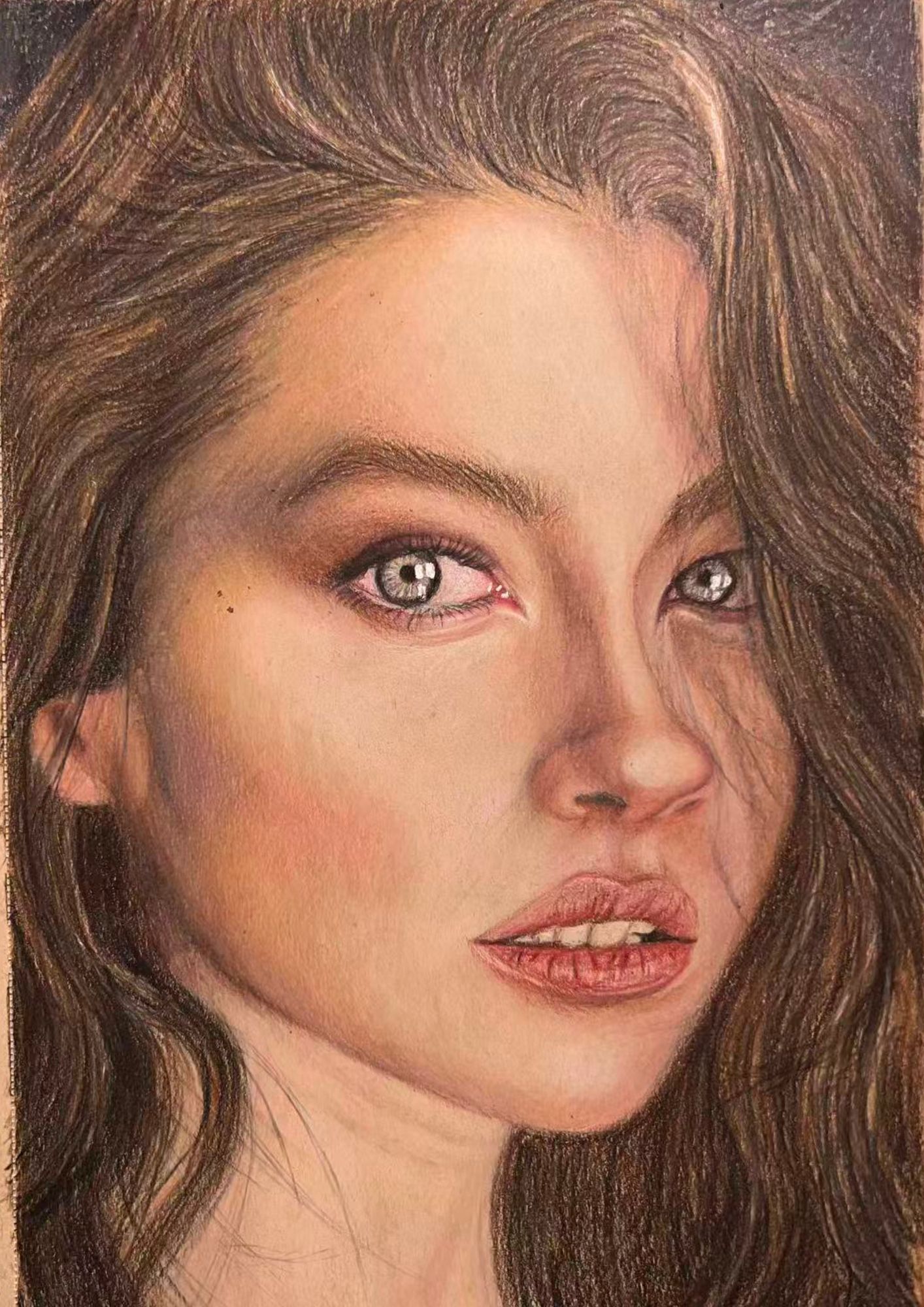
Week 10Taylor SwiftHIT
Graded on: warm, controlled mid-value shadows + a warm lip base.
The patchy-skin fight I'd been losing since week 5 is finally over — the AI ruled the thread closed, the most unified skin of the series. Then it immediately found the next thing: the face is unified now, but it reads flat.
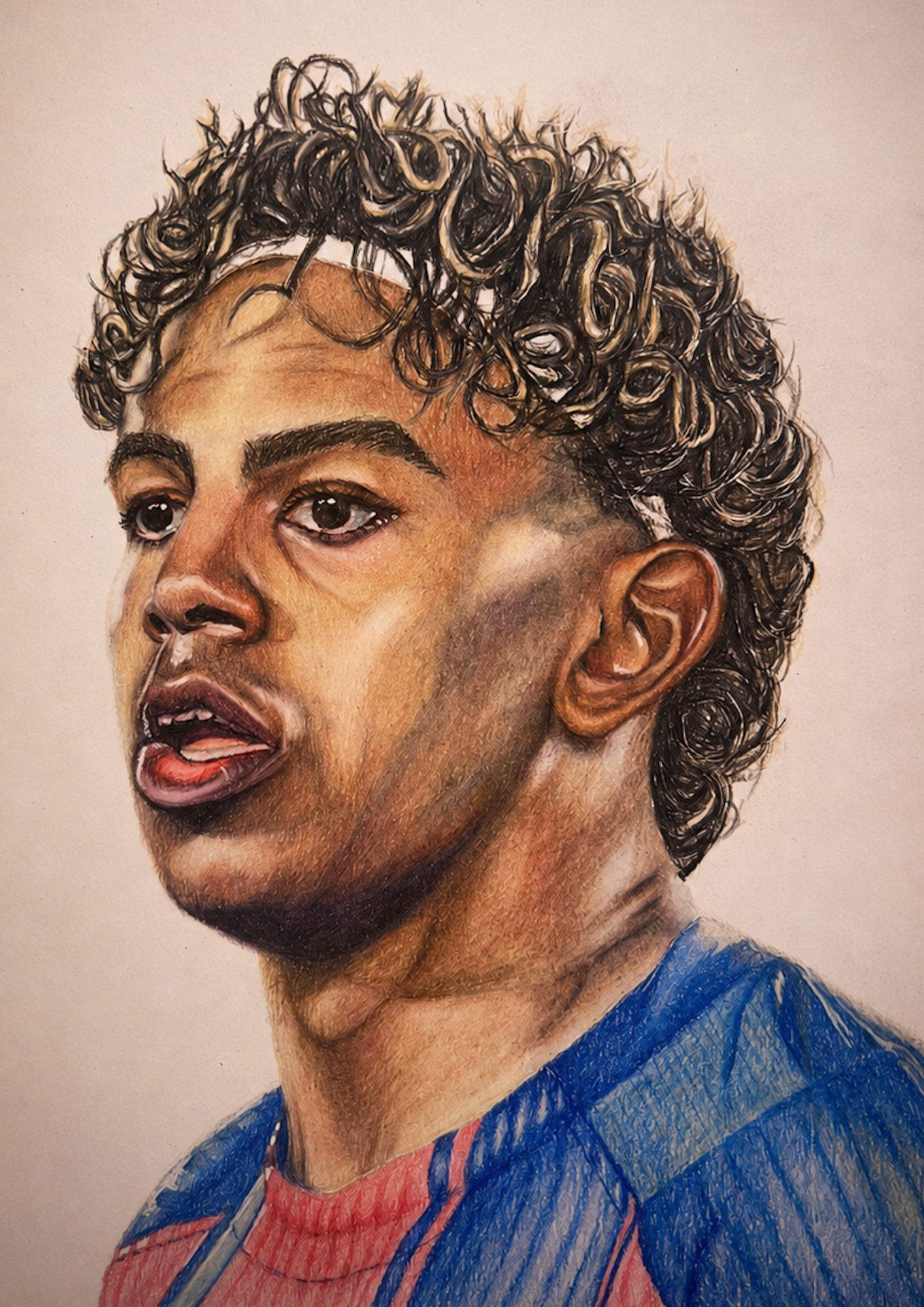
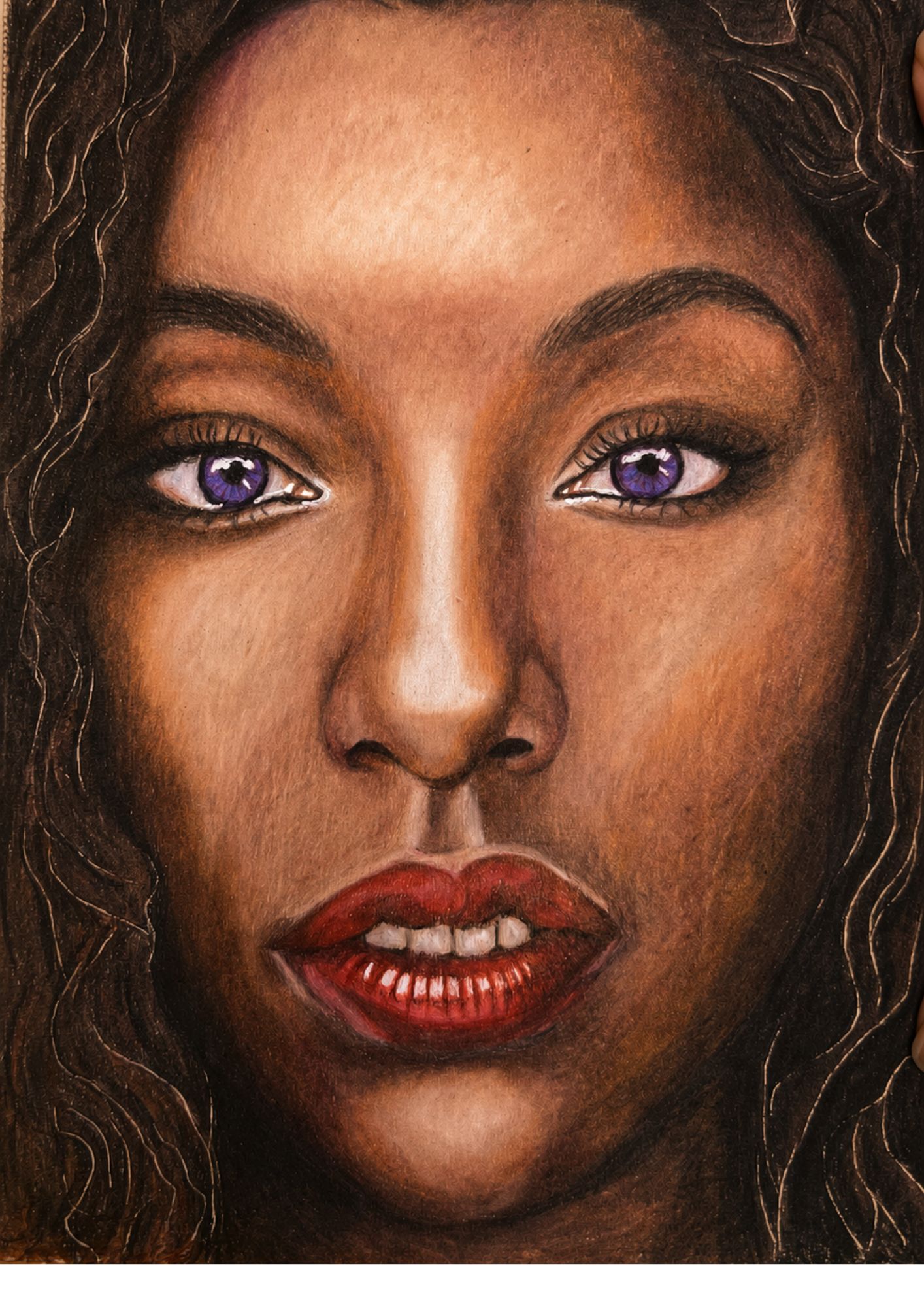
Week 9Lamine YamalHIT — with one catch
Graded on: turning the away-side plane of the face.
The away side of the face finally turns — the thing I'd missed two weeks running. It also went grey and heavy doing it. Hit the target, paid a price. Best curly hair I've ever rendered, though.
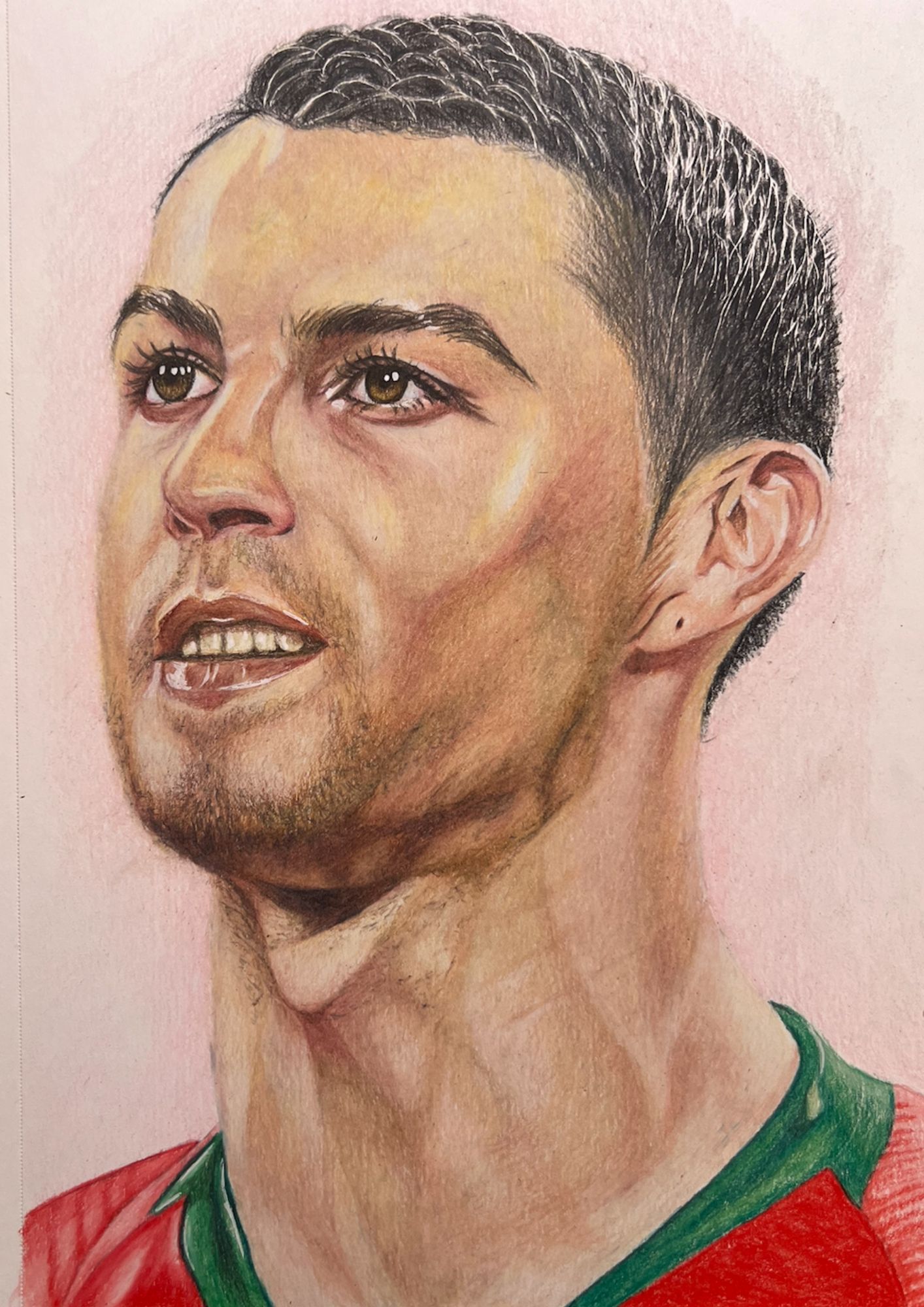
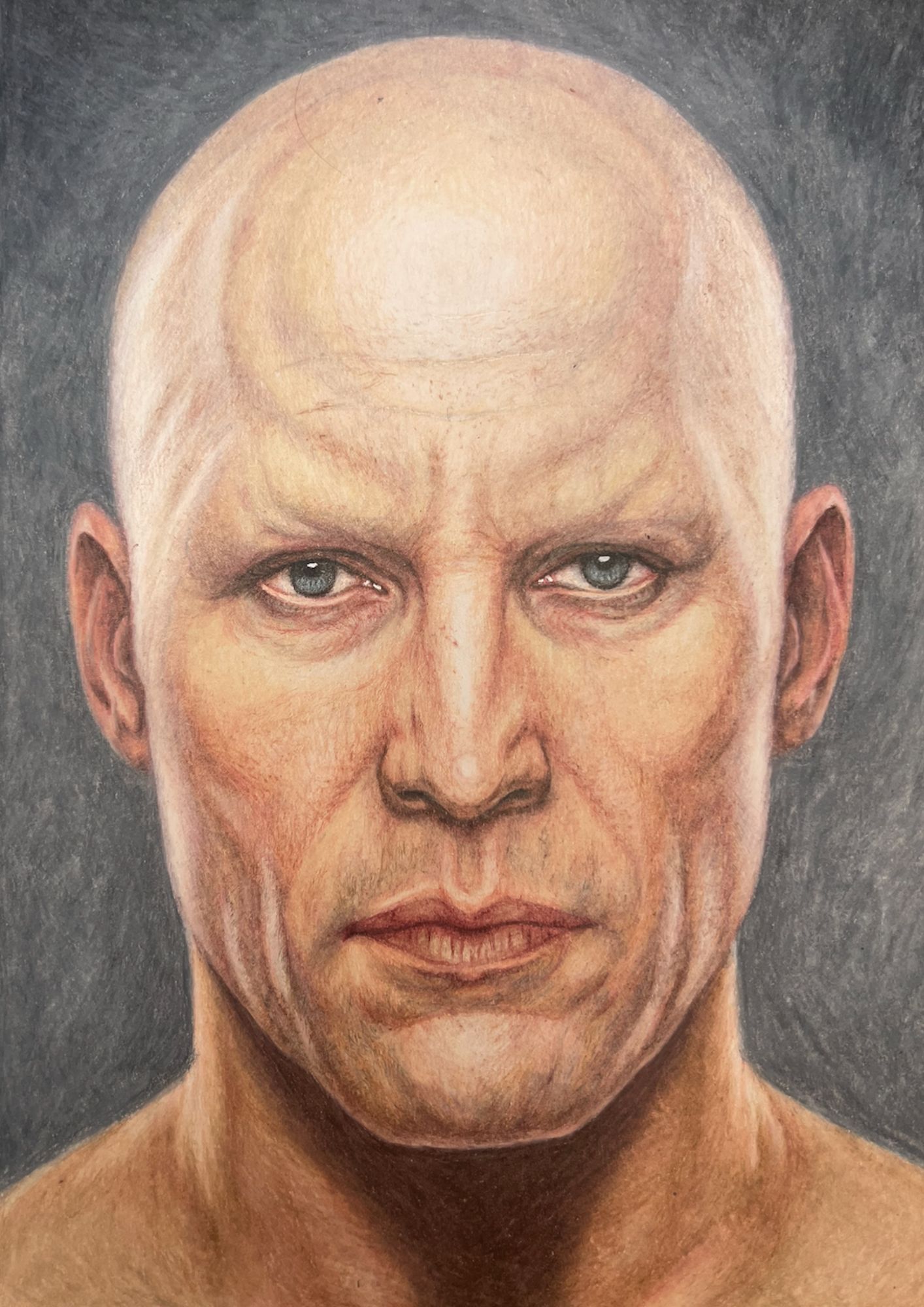
Week 8Cristiano RonaldoPartial — pre-verdict era
Graded on: turning the shadow side as convincingly as the lit side.
Most ambitious angle yet — an upward three-quarter — and the likeness survived it. The skin didn't: patchiness three weeks running, and the AI called it out as the standing thread.
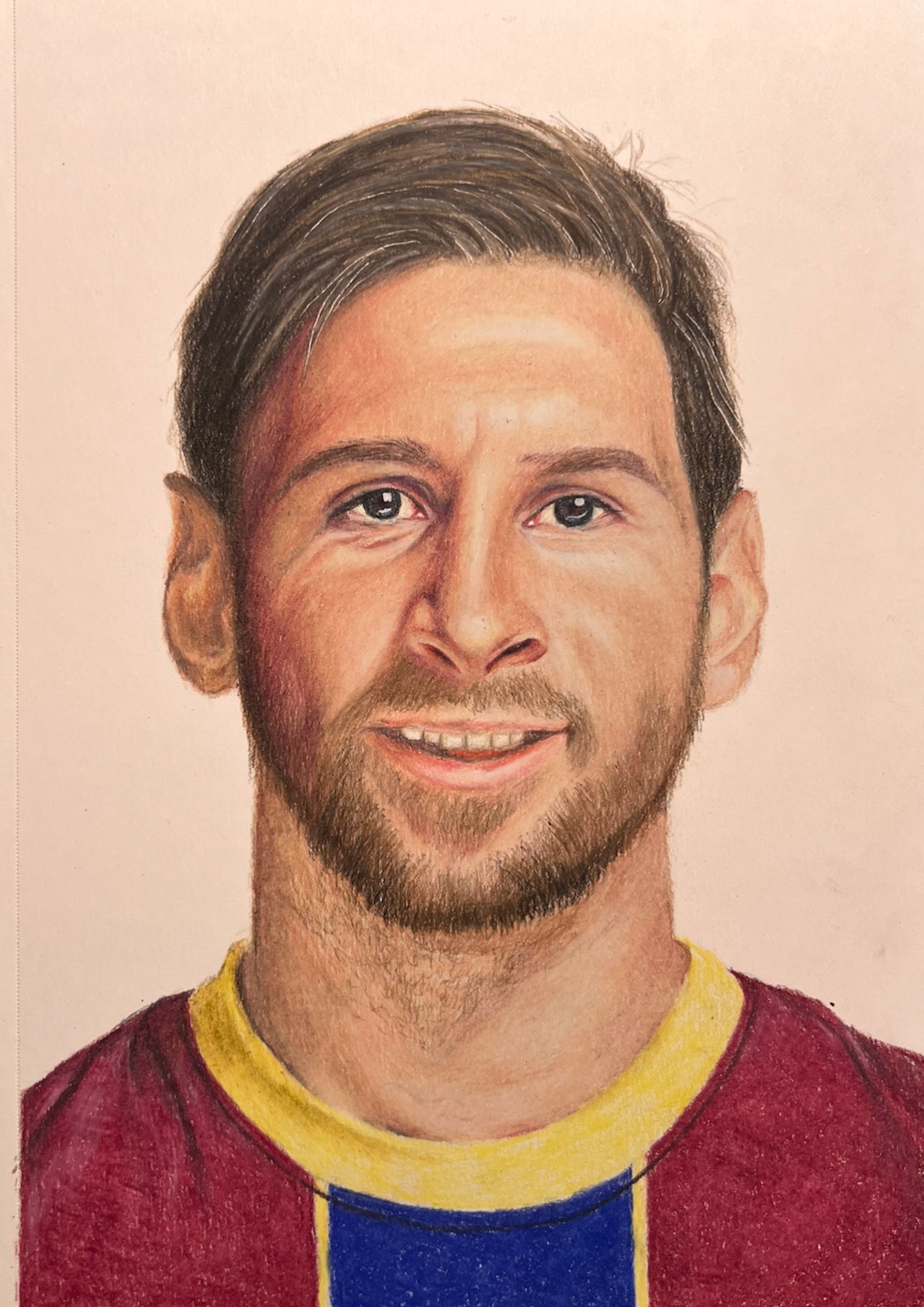
Week 7Lionel MessiTwo threads landed — pre-verdict era
Graded on: warm-but-controlled darks + beard density gradient.
Two fixes landed at once: the beard finally grows out of the skin instead of sitting on it, and the darks hit the warm middle after two weeks of swinging. Then the AI found the shadow side flattening. There's always a next thing — that's the point.
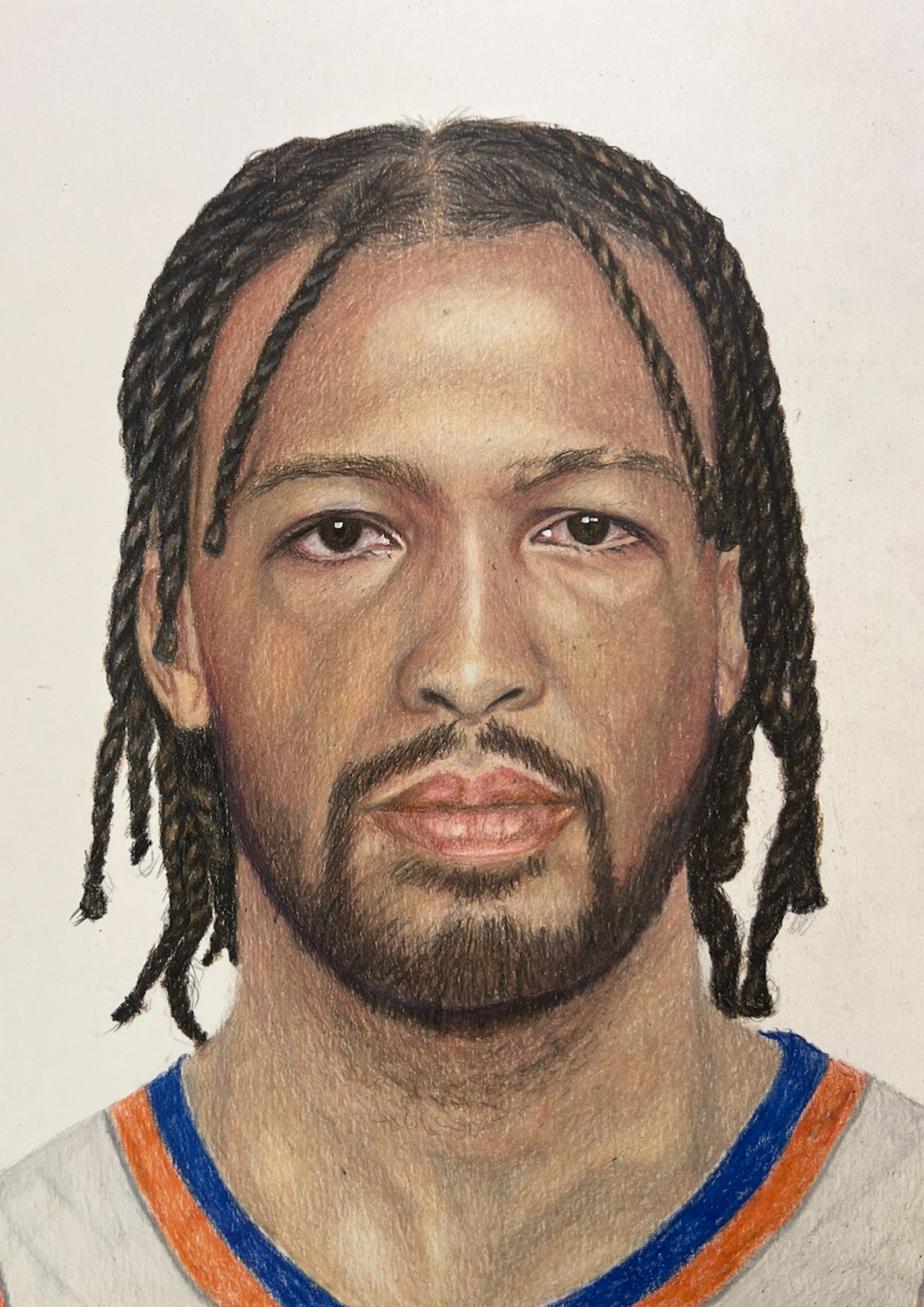
Week 6Jalen BrunsonPartial — pre-verdict era
Graded on: cooling the darks + unifying the skin.
Fixed the too-hot darks by overshooting straight into grey. The dial has two directions and I found both. Skin did come out more unified than week 5 — real progress hiding inside a miss.
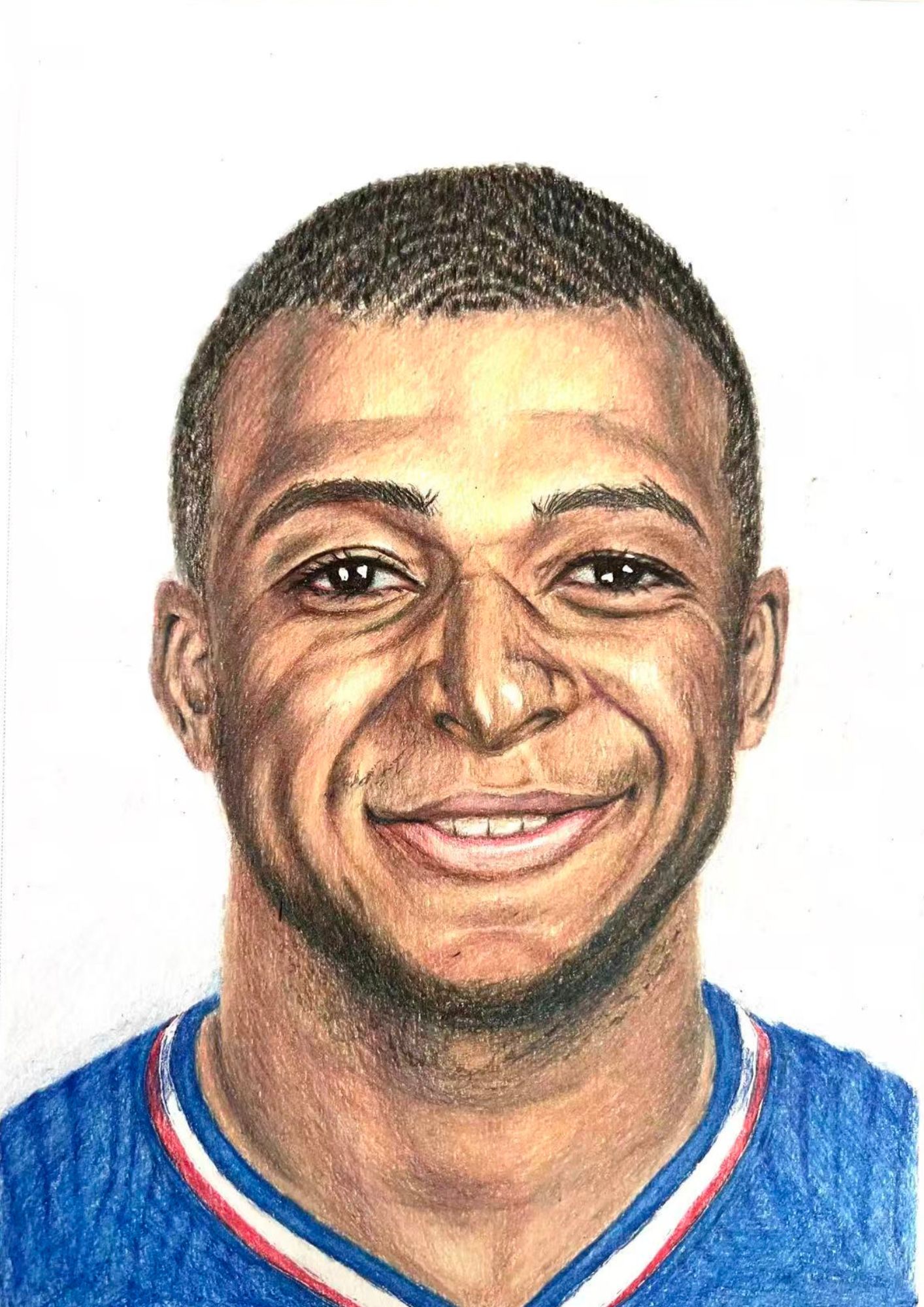
Week 5Kylian MbappéBaseline — first graded portrait
Graded on: nothing yet — this is where the record starts.
The first portrait ever put in front of the AI for grading. Its first fix list was long: shadows too heavy, skin patchy, stubble a flat dark mass. Everything above this card is the story of working through that list.
Previous work — before the loop
Weeks 1–4 and early one-off portraits, drawn before the grading began. Where the record above started from. Click to view full size.
Want to run the loop yourself? Every episode's lesson PDF is free. If you want to go further with your own reference photo, the Custom Color Map is the same AI analysis applied to a photo you choose — the exact colors and sequence for your drawing, your pencil brand.
Everything lives at pencilprompt.gumroad.com.
FAQ
Can AI actually teach you to draw?
After 11 documented weeks: it can direct and grade practice — remarkably well. It names the specific flaw I keep avoiding and holds me to one target a week. What it can't do is replace the hours; week 9's catch was pure hand execution, and so was week 11's. The record above, misses and overcorrections included, is the honest answer so far.
How does an AI grade a hand-drawn portrait?
It compares the finished drawing against the reference photo and the lesson's stated goal, then rules on one specific target — likeness, values, form structure — in plain language. One binary verdict per week: HIT or MISS. Never a numeric score, because a "7/10" teaches nothing; "the away-side plane finally turns, but it went grey" does.
What happened after 11 weeks?
Two of the three long threads are closed. Patchy skin, flagged in week 5, was ruled closed in week 10. Flat, unsculpted faces — flagged in weeks 6, 7 and 10 — closed in week 11. What's left isn't a missing skill at all: it's a habit. Five separate weeks, the AI named a shadow and the correction went straight past the target. That's the whole current fight.
Why do my colored pencil portraits look flat?
On this record, almost never because there wasn't enough shadow. The cause was lit planes — forehead, nose bridge, cheekbone — never reaching a true peak highlight, so the face read as evenly filled instead of struck by a light source. Adding more dark made it muddier, not rounder. What finally closed it in week 11 was a hard value jump on those three planes plus gentle core shadow — which is the opposite instinct to the one most of us have.
Why do my colored pencil portraits look grey or muddy?
Because the shadows were built with neutral or cool darks. A real shadow still receives warm bounced light, so a dead-grey shadow reads as an absence of light rather than a form turning away. Glazing warmth into the shadow masses fixed it here. It showed up in weeks 6 and 9 — both times as an overcorrection to being told the darks were too hot — and has held clear in weeks 7, 10 and 11.
How is this different from AI art critique tools and rate-my-art apps?
Those tools grade an image once. They never find out whether the advice worked, because almost nobody returns with the same drawing corrected — so what they hold is advice issued, at scale. This page is the other shape: one person, one medium, every correction actually executed by hand and then re-graded the following week. What's published here is advice tested — including the weeks where following it made the drawing worse. It's a much smaller sample and a much slower one. It's also the part a tool can't produce.